Unforgettable Asia Travel Examples: From Kyoto's Temples to Bali's Rice Terraces

Recent Trends in Asia Travel
Travelers are increasingly seeking curated, experience-driven itineraries that blend cultural immersion with natural beauty. In regions such as Kyoto and Bali, demand has shifted toward slow travel—longer stays in fewer locations—allowing deeper engagement with local traditions. Off-peak travel is also rising, as visitors aim to avoid congestion at iconic sites while supporting more sustainable tourism rhythms.
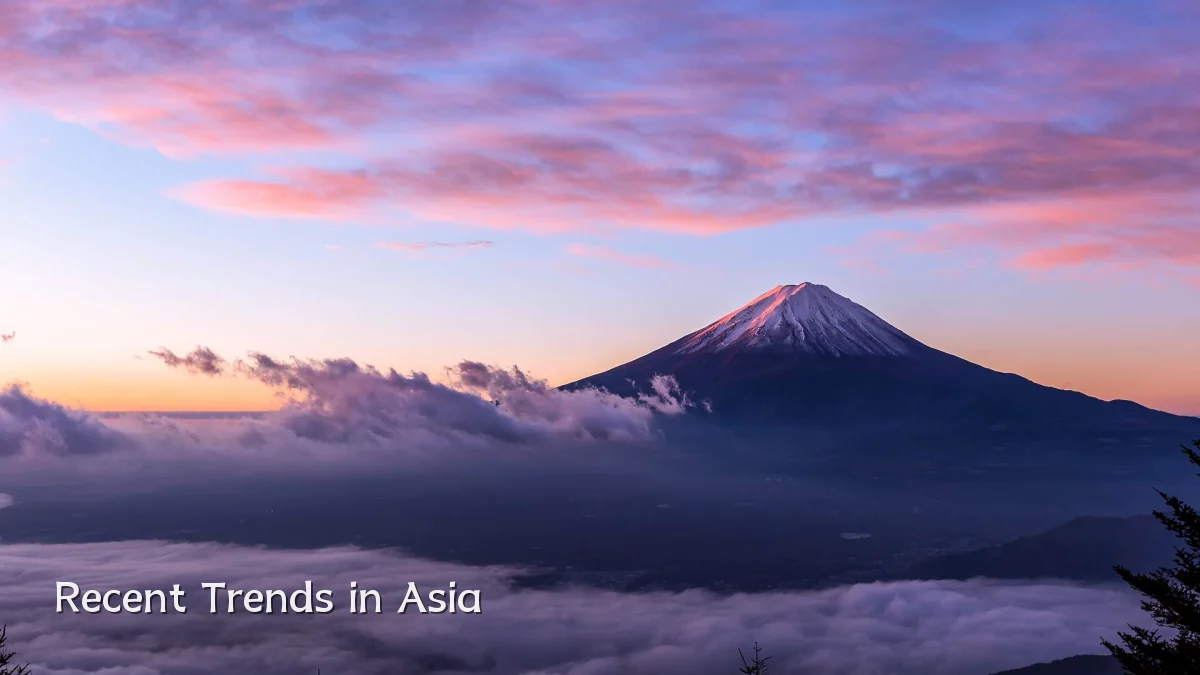
- Growth in private guided temple tours and early-access visits to manage crowding.
- Rise in agro-tourism: working rice terrace walks and farm-to-table dining experiences.
- Increased interest in digital detox retreats near Ubud and remote Kyoto accommodations.
Background: Why Kyoto and Bali Remain Central
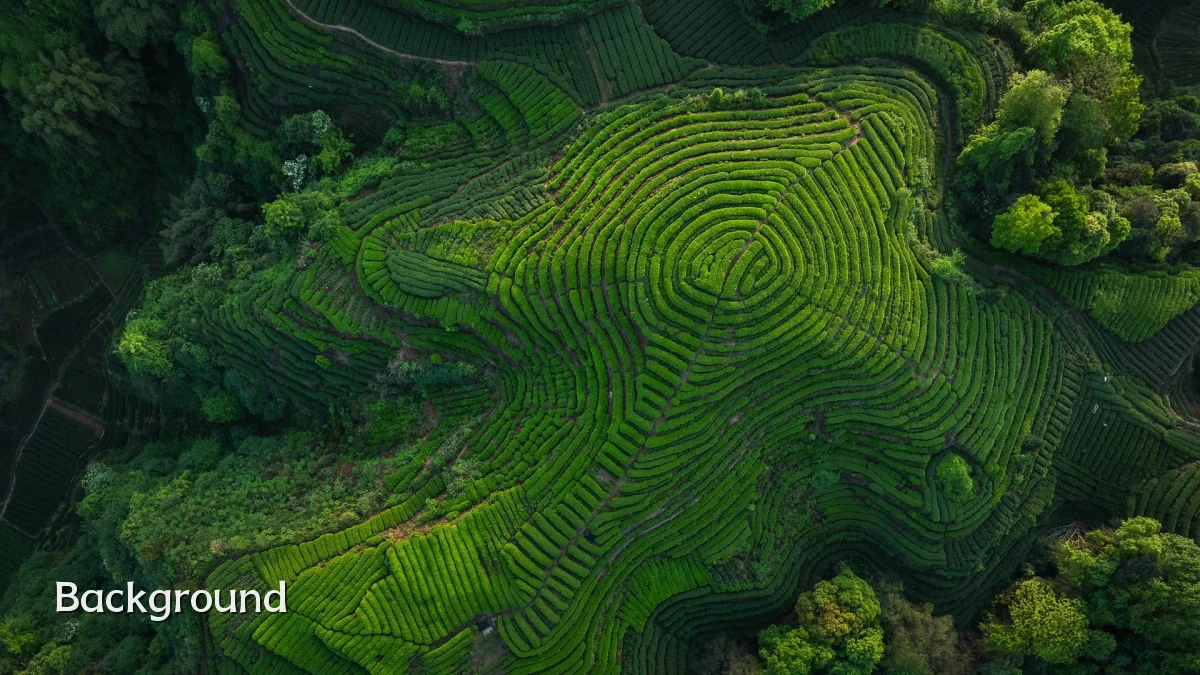
Kyoto’s appeal rests on its preserved temple districts—Kinkaku-ji, Fushimi Inari, and the Arashiyama bamboo grove—each offering distinct architectural and spiritual contexts. Bali’s Tegallalang and Jatiluwih rice terraces represent centuries-old subak irrigation systems recognized for cultural and ecological value. Both destinations have long served as anchors for first-time and returning visitors to Asia. Their continued popularity is also supported by moderate infrastructure improvements, including enhanced airport links and localized guidelines for visitor conduct at sacred sites.
User Concerns and Practical Considerations
Travelers frequently raise several common concerns when planning trips that cover these landmark regions:
- Seasonality and crowd management: Cherry blossom season in Kyoto and dry season in Bali create peak demand. Booking accommodations and permits months ahead is often necessary.
- Cultural sensitivity: Dress codes at temples and respectful behavior during ceremonies remain areas where visitor education is encouraged.
- Sustainability pressures: Water usage in rice terrace maintenance and waste management in tourist corridors are ongoing local priorities.
- Cost variability: Accommodation ranges widely from modest guesthouses to luxury resorts; transportation between temples or terraces can add unexpected expense without advance planning.
Likely Impact on the Travel Landscape
The continued prominence of these destinations is likely to influence broader regional travel patterns. Nearby secondary cities in Japan and less-publicized rice terrace regions in Indonesia may see increased attention as travelers seek alternatives to overcrowded spots. Local authorities are expected to refine timed-entry systems for temples and promote community-based tourism models in Bali. This could lead to more balanced visitor distribution across seasons and a modest shift toward longer, lower-impact stays.
What to Watch Next
Several developments bear monitoring for travelers and industry observers alike:
- Infrastructure expansion: New flight routes to regional airports near Kyoto and improved road access to northern Bali terraces may alter typical itineraries.
- Regulatory changes: Updated visitor caps at specific temples and entry fees for conservation in rice terrace zones could affect planning.
- Climate adaptation: Changes in rainfall patterns may shift the optimal period for terrace visits; flexible booking policies are becoming more common.
- Local community initiatives: Homestay programs and guided walks led by residents are gaining visibility, offering alternative perspectives beyond standard tours.