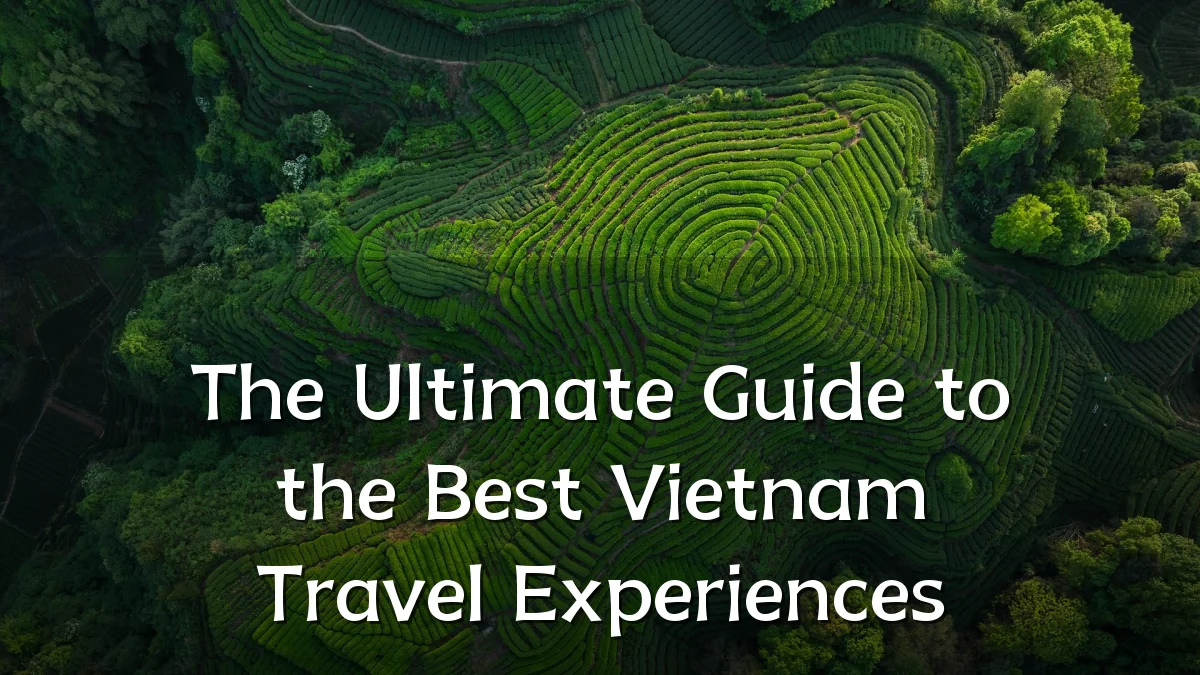
The Ultimate Guide to the Best Vietnam Travel Experiences
Recent Trends in Vietnam Travel
Over the past several years, Vietnam has shifted from a backpacker niche to a mainstream destination for a wide range of travelers. Key developments include expanded direct flight networks from major Asian and European hubs, simplified visa policies for many nationalities, and a surge in domestic tourism infrastructure. Travelers now commonly combine city breaks in Hanoi and Ho Chi Minh City with coastal stays in Da Nang or Phu Quoc, reflecting a demand for both cultural immersion and resort-style relaxation.
Background: What Makes Vietnam Distinct
Vietnam’s appeal rests on its geographic diversity, deep historical layers, and relatively low cost compared to regional peers. The nation offers:

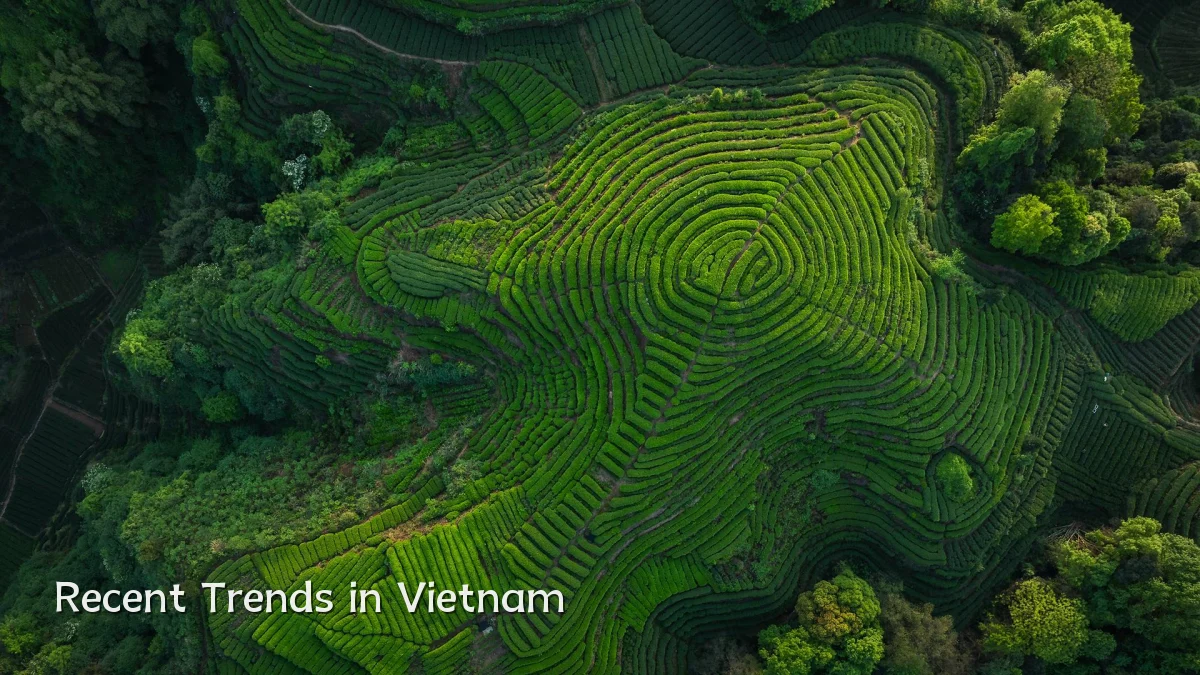
- Northern highlands – terraced rice fields in Sapa, hill-tribe markets, and trekking routes.
- Central coast – ancient towns like Hoi An, imperial citadels in Hue, and beach strips from Nha Trang to Mui Ne.
- Southern delta and islands – the Mekong Delta’s floating markets, Phu Quoc’s beaches, and Ho Chi Minh City’s urban energy.
- Culinary scene – street food culture that varies dramatically by region, from noodle soups to fresh spring rolls.
Infrastructure improvements, particularly highways and overnight trains, have made multi-stop itineraries more feasible for time-limited travelers.
User Concerns and Practical Considerations
While Vietnam generally scores well on hospitality and value, travelers should weigh several factors before planning:
- Seasonal timing: Northern Vietnam has distinct winter (Nov–Feb) and summer (May–Sep) monsoons; central and southern regions follow different wet-dry cycles. A one-size-fits-all “best time” does not exist.
- Crowd management: Popular sites (Ha Long Bay, Hoi An Ancient Town, Sapa) can feel overcrowded during domestic holidays, especially Tet (Lunar New Year) and national holidays in April–May and September.
- Transport reliability: Domestic flights are punctual on major routes, but road conditions in mountainous areas vary. Overnight trains offer a budget-friendly option but may face delays.
- Visa and entry rules: Many passport holders can enter visa-free for up to 15–45 days; longer stays require an e-visa or visa on arrival. Policies change periodically, so pre-trip verification is essential.
- Health and safety: Tap water is not drinkable, and food hygiene standards at street stalls vary. Travel insurance covering medical evacuation is commonly recommended.
Likely Impact on Travel Planning
Given these conditions, the typical modern traveler to Vietnam is likely to allocate 10–14 days for a north-to-south or south-to-north route, spending 2–3 nights per major stop. The rise of boutique hotels and curated tour operators has made it easier to blend independent exploration with guided experiences. Sustainable tourism efforts are gaining traction, particularly in Ha Long Bay and Sapa, where local authorities limit visitor numbers and promote community-based homestays. This may gradually reduce overcrowding but also raise costs in certain protected areas. Flight networks continue to expand, with new low-cost and full-service carriers adding capacity, which could pressure accommodation prices in secondary cities.
What to Watch Next
Three developments are worth monitoring for travelers planning a Vietnam trip in the near future:
- Infrastructure projects: New expressways linking Hanoi to Ha Long and Ho Chi Minh City to Can Tho may shorten travel times significantly, enabling day trips that currently require overnight stays.
- Visa liberalization trends: Several Southeast Asian countries have recently extended visa-free stays; Vietnam may follow suit to remain competitive, especially for remote-work and longer-stay visitors.
- Climate adaptation: Changing weather patterns are affecting the traditional tourism calendar. Travelers should expect more variability and consider flexible itineraries that allow for last-minute adjustments based on local conditions.
Overall, Vietnam’s travel landscape remains dynamic, offering experiences that reward both first-time visitors and returning travelers willing to explore beyond the well-trodden path.