Vietnam Expert Guide: 10 Off-the-Beaten-Path Destinations You Must See

Recent Trends in Vietnam Travel
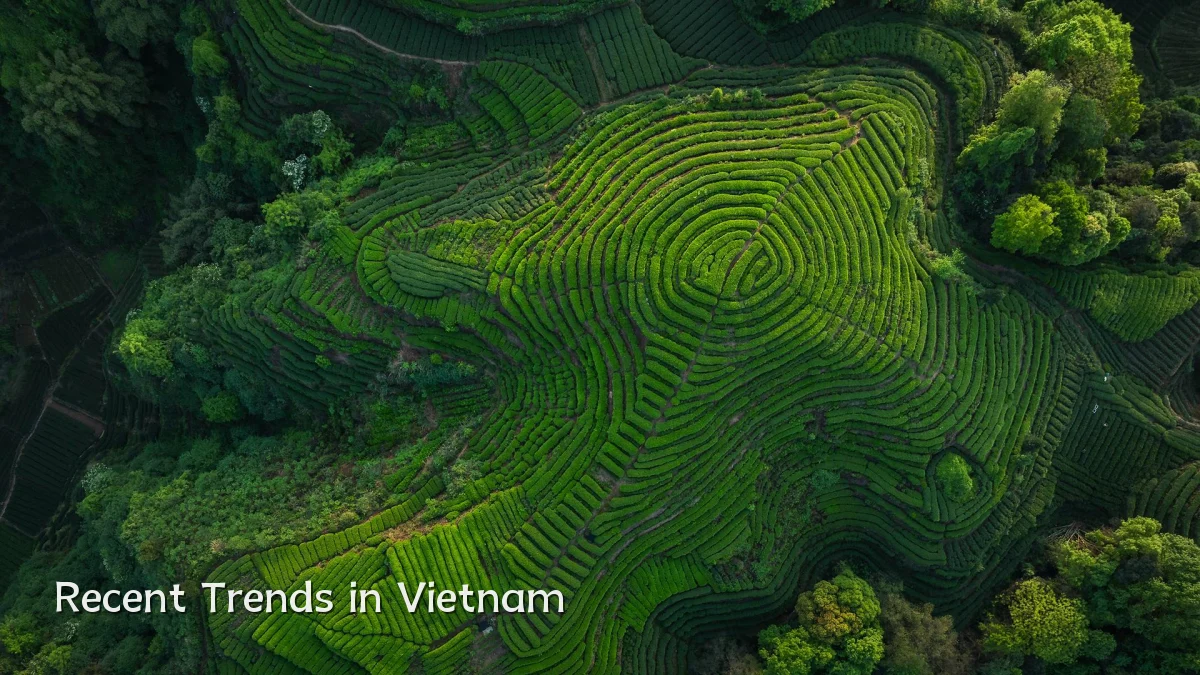
In the past few travel seasons, a noticeable shift has occurred among international visitors to Vietnam. Instead of the well-trodden routes of Hanoi, Ha Long Bay, and Ho Chi Minh City, more travelers are seeking immersive experiences in less-crowded regions. This trend is driven by a desire for authentic cultural exchanges, lesser-known natural wonders, and the chance to avoid peak-season congestion. Social media showcases of remote highland villages and coastal hideaways have further fueled curiosity.
Background: Why Off-the-Beaten-Path Matters
Vietnam’s tourism development has long concentrated on a handful of iconic sites, creating bottlenecks and environmental pressure. Local authorities and travel experts now advocate for distributing visitor flow to secondary destinations. These areas often retain traditional lifestyles, offer lower costs, and provide a more personal encounter with the country’s heritage. The shift also supports regional economies that have seen less investment.
- Many lesser-known destinations have minimal entry fees or require only local permits.
- Accommodation ranges from hillside homestays to eco-lodges, typically booking weeks in advance.
- Access often involves a combination of buses, motorbikes, or small boats — flexibility is essential.
User Concerns: Practical Realities
Travelers considering these 10 destinations should weigh a few common challenges. Infrastructure in remote areas varies: roads can be unpaved, and public transport schedules may be infrequent. Language barriers are more pronounced outside tourist hubs, though basic English phrases and translation apps suffice for most needs. Health services are limited — having travel insurance and a basic medical kit is advisable. Weather conditions also differ regionally; the dry season (roughly November to April in the north, December to May in the south) is generally preferred for trekking and island visits.
“The most common mistake is underestimating travel time between offbeat spots. A journey that looks short on a map can take half a day due to terrain or ferry schedules.” — based on expert travel advisory notes.
Likely Impact: Community and Environment
When travelers visit these lesser-known destinations, the economic benefit can be significant for small communities. Homestay owners, local guides, and artisans see a direct uptick in income. At the same time, fragile ecosystems — such as cave systems, mountain trails, and coral reefs — face increased foot traffic. Conservation groups have begun working with tour operators to set visitor caps and promote low-impact practices. If managed well, these destinations can remain sustainable alternatives for years.
- Positive: locals gain alternative livelihoods, reducing reliance on single-crop agriculture or fishing.
- Risk: unregulated tourism development may erode cultural authenticity and natural habitats.
- Mitigation: travelers are encouraged to hire certified guides, avoid single-use plastics, and respect local customs.
What to Watch Next
In the coming seasons, several factors will shape how these 10 destinations evolve. New domestic flight routes and improved road projects are anticipated in some provinces, potentially shortening travel times. Meanwhile, regional tourism boards are expected to release updated codes of conduct for visitors. Third-party booking platforms may start featuring these spots more prominently, making them easier to include in itineraries. Travelers should monitor official tourism websites for any access changes or seasonal closures, especially in protected areas and during monsoon months. The broader trend points toward a more dispersed tourism map — one where Vietnam’s hidden gems gain recognition without losing their quiet character.