Ultimate Laos Travel Guide: Highlights, Tips, and Itineraries for First-Timers
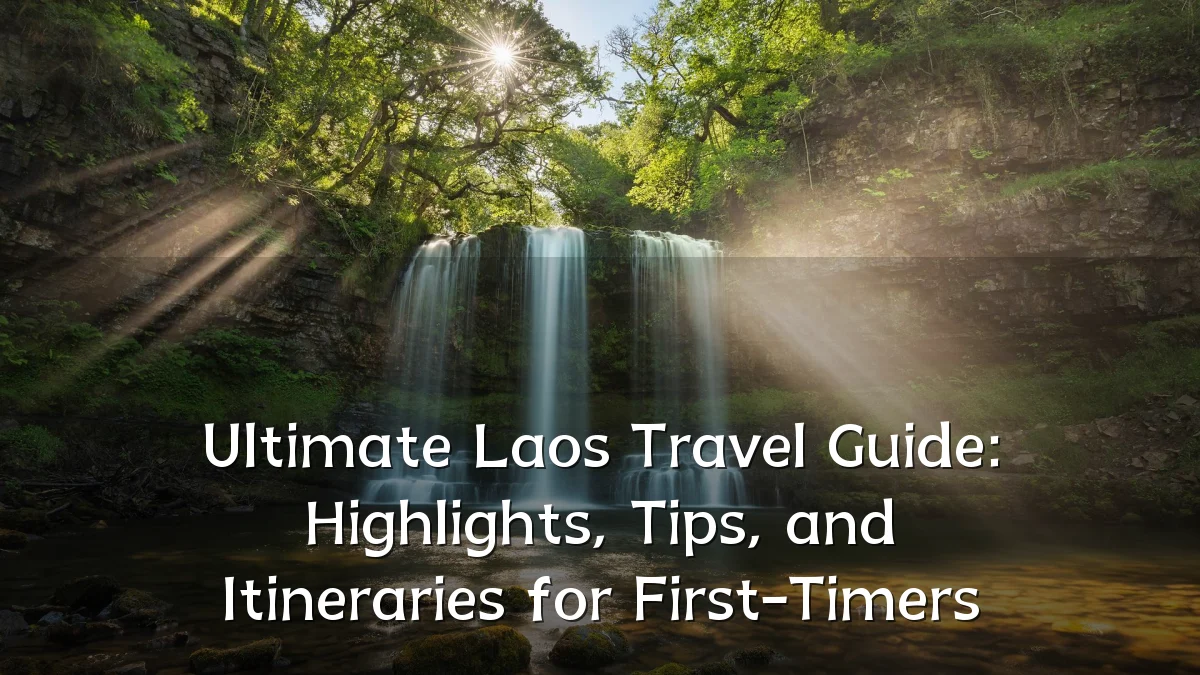
Laos has gradually emerged as a destination for travelers seeking a less commercialized experience in Southeast Asia. This analysis examines recent trends in Lao tourism, the underlying reasons for its appeal, common concerns among first-time visitors, the likely impact of ongoing developments, and factors worth monitoring in the near term.
Recent Trends in Laos Tourism
Visitor numbers to Laos have shifted in response to regional connectivity improvements and evolving traveler preferences. Key observations include:

- Growth in independent overland travel – The opening of the Laos-China railway has made overland routes from northern Thailand and southern China more accessible, particularly for budget-conscious and slow-travel enthusiasts.
- Rise of eco- and community-based tourism – Protected areas such as Nam Et-Phou Louey have drawn visitors interested in wildlife spotting and village homestays, reflecting a broader demand for sustainable experiences.
- Increasing digital nomad interest – Luang Prabang and Vang Vieng have seen a modest uptick in longer-stay visitors, supported by improving (though still variable) internet coverage in urban hubs.
- Domestic tourism recovery – Local travel within Laos has regained momentum after regional disruptions, with Lao nationals exploring remote provinces more actively.
Background: Why Laos Stands Out
Laos remains distinct from its neighbors due to a combination of geography, pace, and cultural preservation. Unlike the flashpacker circuits of Thailand or Vietnam, travel in Laos still rewards those who accept a slower rhythm. The country is landlocked, and much of its tourism infrastructure is concentrated along the Mekong River corridor. UNESCO-listed Luang Prabang offers a compact mix of temple architecture, hill-tribe markets, and waterfalls. Vang Vieng has transitioned from a party-oriented backpacker stop to a destination centered on kayaking, climbing, and cave exploration. The capital, Vientiane, provides a low-key urban gateway with French-colonial influences. For first-timers, the lack of mass tourism in many provinces allows for genuine encounters with local communities, though it also means fewer English-language services outside major towns.

Common User Concerns for First-Timers
Travelers new to Laos often raise similar practical questions. The following points address the most frequent areas of uncertainty:
- Visa requirements – Most nationalities can obtain a visa on arrival at international airports and major land borders, or apply for an e-visa in advance. Validity and fees vary; it is advisable to carry passport-sized photos and cash in US dollars or Thai baht.
- Transportation reliability – Internal flights connect key cities but are limited. The new railway has improved journey times between Vientiane and Luang Prabang, but buses remain the norm for northern loop routes. Delays and road conditions are common, so flexible scheduling is recommended.
- Connectivity and convenience – SIM cards with data plans are available from Lao Telecom or Unitel at shops near airports and city centers. Outside of Luang Prabang and Vientiane, mobile coverage can be patchy. ATMs are concentrated in urban areas, and card acceptance is limited.
- Language barrier – Lao is the official language; English is spoken at guesthouses and tourist-oriented restaurants but not widely elsewhere. Learning a few basic phrases (e.g., sabaidee for hello) helps bridge gaps.
- Health and safety – Food and water sanitation standards vary. Stick to bottled water and eat at busy stalls. Mosquito-borne illnesses are present; carrying repellent and considering prophylaxis for remote areas is prudent. Petty theft is rare but unattended items may be taken.
Likely Impact of Current Conditions
As Laos continues to integrate into regional travel networks, several outcomes appear probable:
- Gradual infrastructure strain – The railway station in Vientiane and increased bus traffic may put pressure on accommodation and waste management in smaller towns, potentially altering the placid character that attracts visitors.
- Sustainability trade-offs – Eco-tourism initiatives have raised local incomes in some rural areas, but poorly regulated trekking and homestay operations risk damaging the natural or cultural resources they depend on.
- Shifting visitor demographics – More Chinese and regional travelers are using the railway; this may prompt changes in signage, menu offerings, and service standards at key destinations, possibly diluting the niche appeal for Western independent travelers.
- Economic benefits vs. local displacement – Tourism revenue has the potential to support preservation efforts in Luang Prabang’s historic quarter, but rising rents could push out long-standing residents and artisans.
What to Watch Next
For anyone planning a trip to Laos or tracking its travel landscape, the following factors are worth observing:
- Further railway extensions – Discussions about lines connecting to Vang Vieng and southern provinces could fundamentally reshape travel patterns and accessibility.
- Visa policy adjustments – Possible expansion of the e-visa system or visa-free arrangements for additional countries could spur short-term tourist spikes.
- Environmental regulations in protected areas – New guidelines for trekking groups in reserves like Nam Ha or Phong Nha-Ke Bang (in nearby Vietnam but influencing regional best practices) may set benchmarks for responsible tourism.
- Digital nomad visa developments – While Laos currently has no dedicated visa for remote workers, neighboring Thailand’s moves in this direction might create competitive pressure to offer similar options.
- Weather and climate patterns – More frequent extreme heat or unpredictable monsoon seasons could shift recommended travel windows, affecting itinerary planning.
First-time visitors to Laos will find a country that rewards preparation and patience. By understanding the current trends, addressing common concerns realistically, and staying aware of future shifts, travelers can better navigate the destination’s unique balance of heritage and change.