Discover Laos: A 10-Day Travel Program for Culture and Nature Lovers
Recent Trends in Laos Travel
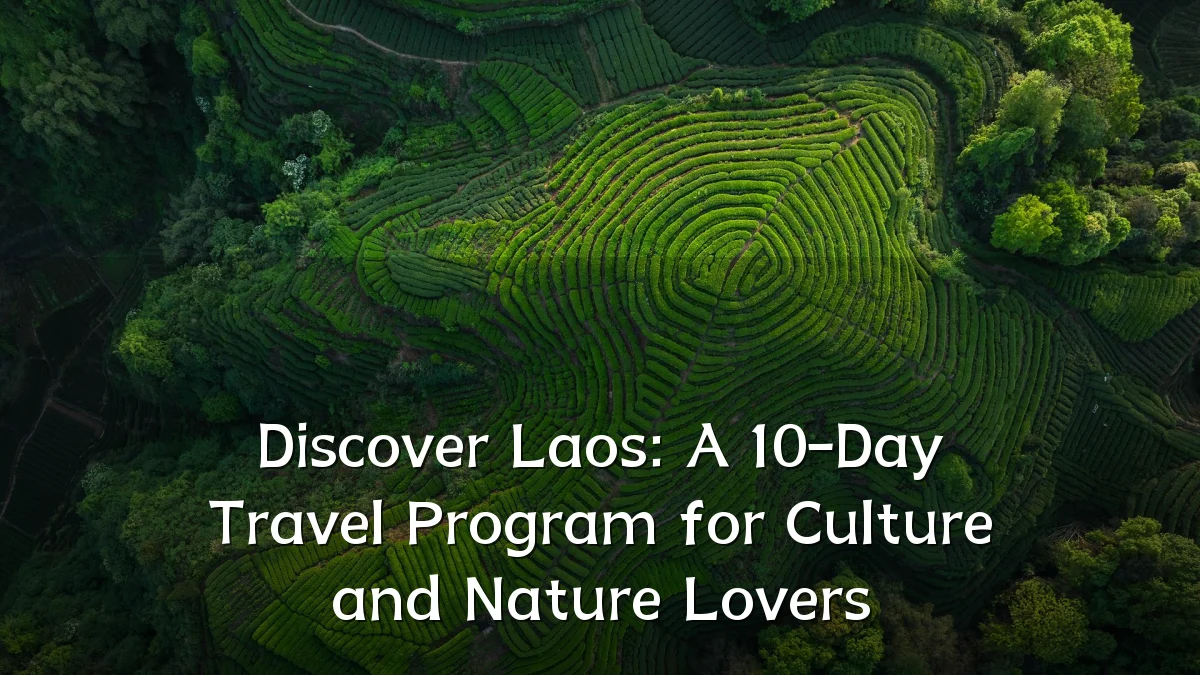
In the past few travel seasons, Laos has gradually gained attention as a destination for travelers seeking a slower, more immersive experience. The rise of experiential travel—where visitors prioritize authentic interactions and natural settings over checklist sightseeing—has aligned well with Laos’s offerings. A structured yet flexible 10-day program appeals to those who want a curated itinerary without sacrificing spontaneity. Recent patterns show growing interest in combining cultural heritage sites with nature-based activities such as trekking, kayaking, and cycling. Travelers increasingly look for programs that balance structured tours with free exploration time.
Background: Why a 10-Day Program?
Laos is compact enough to allow meaningful multi-region travel within a limited timeframe. A 10-day program typically covers three to four distinct zones: the UNESCO-listed town of Luang Prabang, the karst landscape of Vang Vieng, the capital Vientiane, and possibly the southern region around Champasak and the Mekong islands. This duration allows for cultural visits (temples, local markets, village stays) and nature excursions (waterfalls, river cruises, national park hikes) without excessive travel time. The program format helps first-time visitors manage logistics, as domestic transport—whether by bus, mini-van, or domestic flight—requires advance planning. Tour operators and local agencies have refined 10-day templates based on seasonal conditions and traveler feedback.
User Concerns and Considerations
- Visa and entry requirements: Most nationalities can obtain a visa on arrival or e-visa; rules occasionally shift, so checking official sources a few weeks before travel is advised.
- Health and safety: Routine vaccinations are recommended. Travelers should carry insect repellent and be cautious with food and water, especially in rural areas.
- Transport reliability: Road conditions vary with weather; domestic flights are efficient but limited in frequency. River travel is scenic but slower.
- Accommodation range: Options from budget guesthouses to boutique eco-lodges; advance booking advised in peak dry season (November to April).
- Cultural etiquette: Dress modestly at temples, remove shoes when entering, and ask permission before photographing people. Awareness of local customs enhances interactions.
- Local connectivity and cash: Mobile data is available in urban areas but patchy in remote regions. Cash remains essential, as card acceptance is limited outside major towns.
Likely Impact on Travel Planning
A well-structured 10-day program influences how travelers allocate time and money. By grouping cultural and natural highlights, such itineraries help visitors avoid the common mistake of overambitious schedules. This can reduce last-minute logistical stress and allow for deeper engagement at each stop. Local communities—especially those offering homestays, guiding services, and artisanal workshops—benefit economically from predictable traveler flows. However, if a program becomes too standardized, there is a risk of concentrating tourist traffic in a few well-known locations (e.g., Kuang Si Falls, the Pak Ou caves), potentially straining infrastructure and the environment. Responsible program design includes dispersal to lesser-visited areas and incorporation of low-impact activities such as village walks and cycling.
What to Watch Next
- Sustainable tourism initiatives: Look for increased uptake of certified eco-lodges, community-based tourism projects, and waste-reduction efforts in popular parks.
- Infrastructure developments: The China-Laos railway now connects Vientiane with Luang Prabang and northern border areas, making 10-day programs easier to plan with fewer domestic flights.
- Visa and policy changes: Some regions may introduce visa waivers or streamlined e-visa processes to attract longer stays. Travelers should monitor official channels.
- Shift toward off-peak travel: As dry-season crowds grow, programs may adjust by promoting shoulder-season visits (March-April, October) for better availability and lower prices.
- Regional competition: Neighboring countries (Thailand, Vietnam, Cambodia) also offer 10-day nature-culture programs; Laos’s differentiation depends on preserving its low-key, unhurried atmosphere.