Your Trusted Guide to Southeast Asia’s Best Kept Secrets
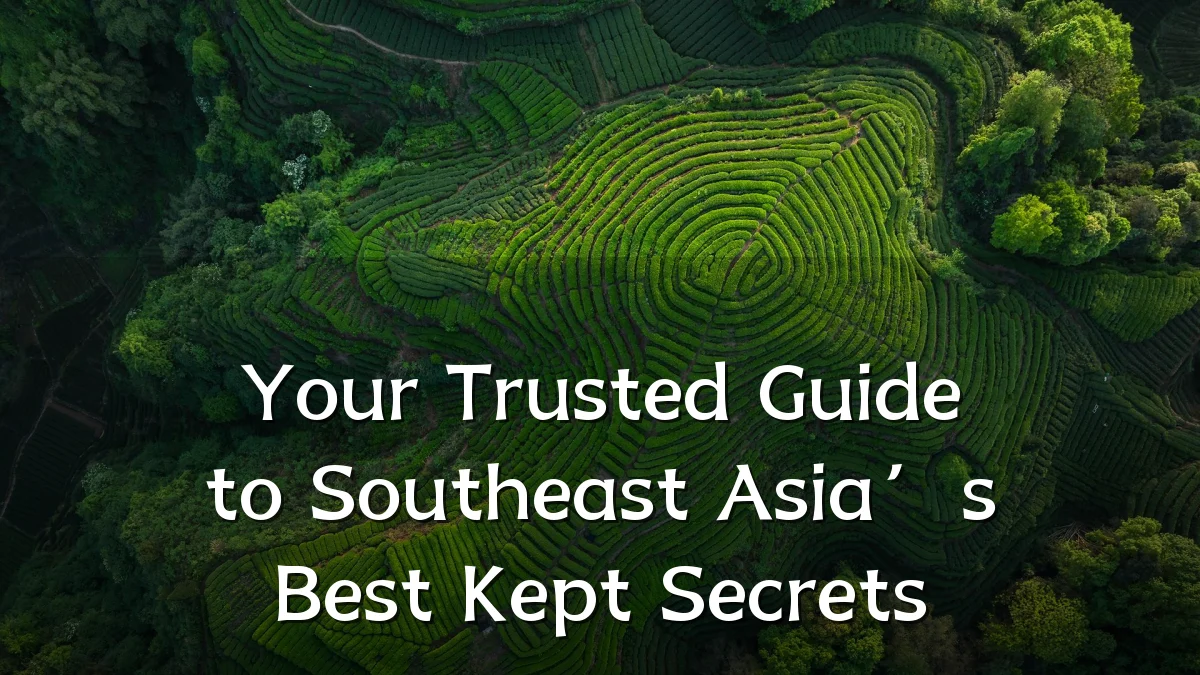
As international travel rebounds across Southeast Asia, a growing number of visitors are moving beyond the well-trodden paths of Bangkok, Bali, and Hanoi. The shift reflects a broader desire for authentic experiences, quieter destinations, and fewer crowds. This analysis examines the trends reshaping how travelers discover—and how guides earn trust—in the region’s lesser-known locales.
Recent Trends
Travel patterns in 2024–2025 show a marked pivot toward secondary destinations. Industry observers note several recurring movements:

- Rise of slow travel: Visitors are staying longer in single provinces (e.g., Luang Prabang, Laos; Battambang, Cambodia; and Sihanoukville’s offshore islands) rather than rushing through capitals.
- Local microguides replacing mass-market resources: Small-group tours led by residents from minority villages—especially in Myanmar’s Shan State, Indonesia’s Toba region, and the Mekong Delta—are gaining traction on peer-review platforms.
- Digital detox trips: Remote areas with limited internet (like the Mergui Archipelago in Myanmar or the Tana Toraja highlands in Sulawesi) are being marketed as “unplugged secrets,” often with premium pricing.
- Food-focused itineraries: Regional street-food tours—for example, in Chiang Rai’s night markets, Hội An’s countryside, and Georgetown’s hidden hawker alleys—are driving repeat visits.
Background
Southeast Asia’s “hidden gem” narrative has existed for decades, but the term was often loosely applied to already popular spots. The turning point came during the pandemic-era travel lull, when local communities started documenting their own heritage on social media organically. Credible guidebooks and blogs began emphasizing community-based tourism initiatives—such as homestays in Myanmar’s Inle Lake or fishing village experiences in Vietnam’s Quy Nhon—rather than generic listicles. This shift built the foundation for what travelers now call a “trusted guide”: someone who can navigate language barriers, cultural taboos, and seasonal logistics without overselling or overcharging.

User Concerns
Despite growing interest, travelers cite persistent reservations when choosing off-the-map destinations:
- Safety and health infrastructure: Remote areas may lack reliable clinics or emergency evacuation routes. Travelers want guides who can confirm medevac access and local hospital quality.
- Cultural authenticity vs. staged tourism: Some village visits have been criticized as superficial photo stops. Trusted guides differentiate by explaining protocols (e.g., offering gifts, dress codes) and ensuring fair payment to hosts.
- Environmental impact: Small islands and fragile ecosystems (e.g., the Raja Ampat islands, Thailand’s Similan Islands) have strict carrying capacity rules. Users worry that “secret” spots will be overwhelmed without proper regulation.
- Scam risk: Unofficial guides may inflate prices for transport, permits, or accommodations. Travelers increasingly rely on platforms that verify credentials via tour operator licenses and community endorsements.
Likely Impact
If current trends hold, the demand for trusted local guides will continue to outperform mass-market tour brands. Industry analysts predict that destinations with clear sustainability policies—such as the Philippines’ Coron and El Nido, and Cambodia’s Koh Rong—will benefit most. Conversely, spots without formal guide registration systems (parts of Laos and Myanmar) may see a temporary slowdown as cautious travelers wait for more reliable information. The ripple effect: hoteliers and transport providers are beginning to partner directly with vetted guides, bundling unique experiences rather than standard sightseeing packages.
What to Watch Next
- Digital verification tools: Look for region-specific platforms that combine user reviews with government-issued guide IDs (similar to Thailand’s Tourism Authority rating system).
- Rail and ferry expansions: New routes—such as the Laos-China railway and Indonesia’s intramodal ferry connections—will open previously inaccessible areas to guided programs.
- Community-led certification: Indigenous groups in northern Thailand and the Malaysian highlands are creating their own training programs to standardize knowledge about local customs.
- Insurance and liability norms: In late 2025, several Southeast Asian tourism boards are expected to release guidelines requiring personal liability coverage for guides leading remote treks.