Southeast Asia for First-Timers: A Complete Budget Travel Guide
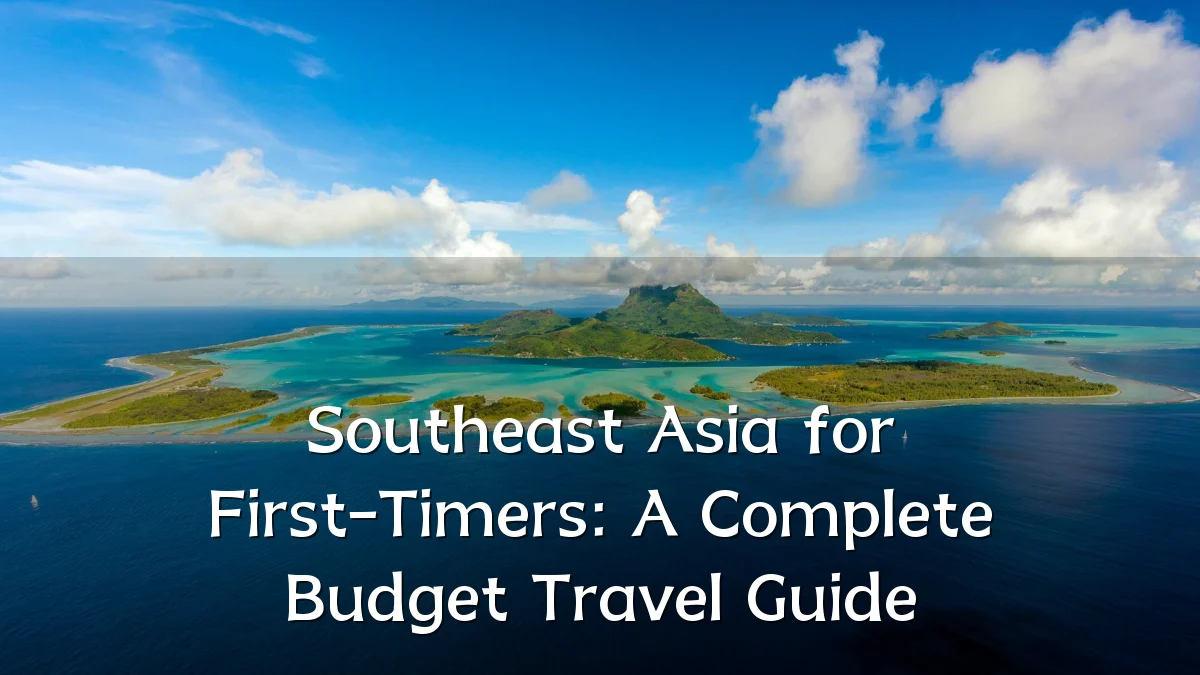
For first‑time budget travelers, Southeast Asia has long been a natural starting point — a region where affordable flights, cheap street food, and low‑cost accommodation allow long trips on limited funds. In recent months, a combination of relaxed visa rules, growing digital‑nomad infrastructure, and flight capacity returning to pre‑pandemic levels has reshaped what beginners can expect. This analysis takes a neutral look at the latest trends, the background that makes the region budget‑friendly, common user concerns, the impact on local economies and environments, and what travelers should watch next.
Recent Trends
The post‑2022 recovery has brought several shifts that directly affect first‑time budget visitors:

- Visa liberalisation: Several countries (Thailand, Malaysia, Indonesia) now offer visa‑free entry or visa‑on‑arrival for many nationalities, reducing both cost and paperwork for short trips.
- Budget airline expansion: New routes and increased frequency from carriers like AirAsia, Scoot, and VietJet have lowered average airfares within the region by roughly 15–30% compared to 2023, depending on the route.
- Rise of co‑living and co‑working: Cities like Chiang Mai, Da Nang, and Bali have seen a surge in affordable shared accommodation with reliable internet, attracting longer‑stay newcomers.
- Cashless payment adoption: Mobile wallets and QR payments (e.g., GrabPay, ShopeePay) are now widely accepted even in smaller shops, reducing the need to carry large amounts of local currency.
Background: Why Southeast Asia Remains a Budget Star
The region’s reputation as a budget destination is built on structural factors that have not changed. Daily costs for a backpacker often range from $25 to $50, with food, transport, and basic private rooms all available at that level. Thailand and Vietnam typically sit at the lower end of that range, while Singapore and some parts of Malaysia push toward the upper end. Common routes for first‑timers — the “Banana Pancake Trail” from Bangkok through Chiang Mai and into Laos or Vietnam — remain well‑trodden because of the density of hostels, guided tours, and English‑speaking services. The underlying cost advantage comes from low labour costs and abundant local produce, not from temporary discounts.

User Concerns
First‑time travelers often raise several practical worries. Based on community forums and travel‑planning surveys, these are the most frequently cited:
- Safety and scams: Petty theft, overpriced tuk‑tuks, and fake tour operators are common concerns. Using official booking platforms, staying in well‑reviewed accommodation, and learning a few local phrases can reduce risk.
- Budget planning uncertainty: New visitors struggle to estimate real costs because prices vary widely between urban and rural areas, and between peak and off‑peak seasons. A safe daily range is $30–$45 for a solo budget traveler, including accommodation, food, and local transport.
- Health and hygiene: Street food safety and the risk of “traveler’s diarrhea” are top worries. Observers recommend choosing stalls with high turnover and drinking only bottled or filtered water.
- Connectivity and internet reliability: While major cities and tourist hubs have good 4G/5G coverage, remote islands and mountain villages may have slow connections. Local SIM cards are cheap (usually under $10 for a month of data).
- Cultural etiquette: Dress codes for temples, rules about touching heads or pointing feet, and the importance of saving face are often underestimated. Simple research before arrival helps avoid unintentional offense.
Likely Impact
The continued growth of budget travel to Southeast Asia has observable effects on both host communities and the travel ecosystem:
- Economic benefit: Low‑spend tourists still contribute significantly to local economies, especially in peripheral areas (e.g., rural homestays, local guides, food stalls). The multiplier effect is strong because most spending goes to small businesses.
- Overtourism pressure: Popular spots like Bangkok’s Khao San Road, Ha Long Bay, and Bali’s Canggu corridor experience congestion, waste management issues, and rising rents for locals. Several destinations have begun discussing or implementing visitor caps.
- Environmental strain: Single‑use plastics from cheap food packaging, coral reef damage from snorkeling tours, and increased carbon emissions from budget flights are ongoing concerns. Some towns have introduced plastic‑free zones or mandatory eco‑tour fees.
- Digital‑nomad influence: Longer stays by remote workers drive demand for mid‑range apartments and co‑working spaces, sometimes pricing out local renters. This has sparked policy debates in places like Chiang Mai and Ubud about regulating long‑term stays.
What to Watch Next
Several developments are likely to shape the budget travel landscape in the near future:
- Visa policy changes: Thailand’s proposed “digital nomad visa” and Indonesia’s “second‑home visa” are being watched closely. If implemented, they may shift the balance from short‑term backpackers to longer‑term visitors.
- Sustainable tourism certification: More hostels and tour operators are pursuing eco‑labels (e.g., Green Globe, EarthCheck). Demand from first‑time travelers for responsible options is growing, but the certification remains voluntary and fragmented.
- Technology integration: AI‑powered travel planners and real‑time price comparison tools are becoming more common, making it easier for newcomers to find cheap flights and last‑minute deals without relying on travel agents.
- Climate adaptation: Extreme weather events (floods, heatwaves) are prompting travelers to reconsider peak seasons. Off‑peak travel may become more popular, potentially reducing crowding but also altering local revenue patterns.