The Ultimate Photography Travel Itinerary for Enthusiasts: Capturing Epic Landscapes

Recent Trends
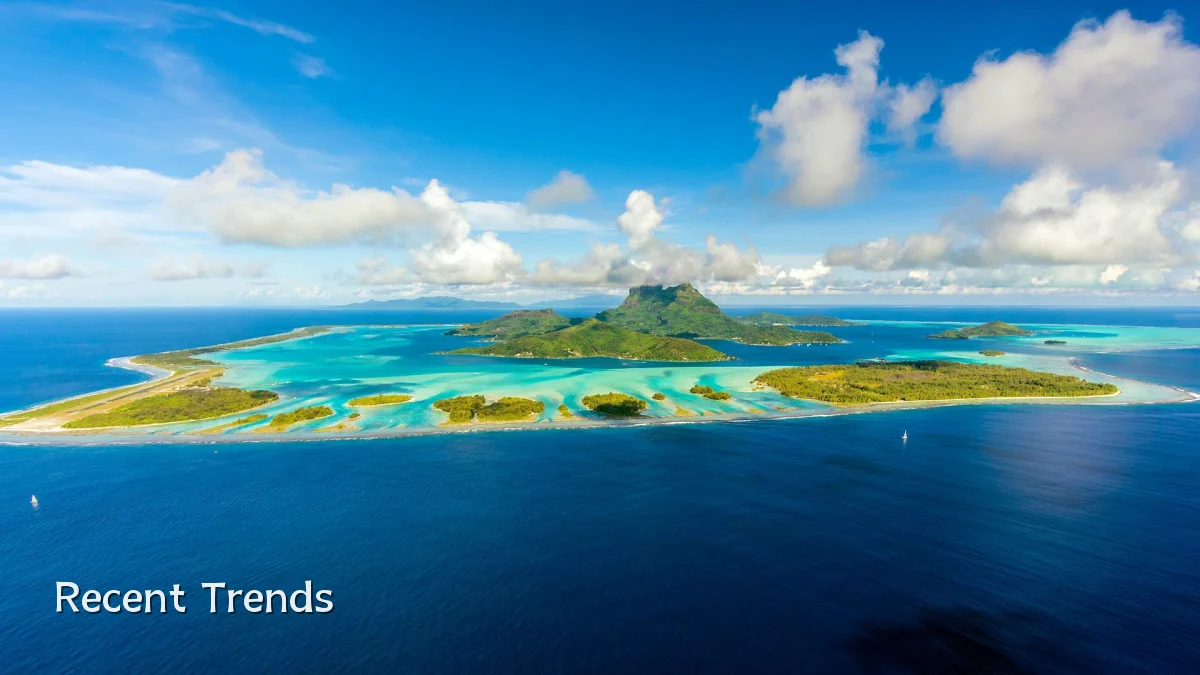
Over the past few seasons, the demand for structured yet flexible photography travel itineraries has grown. Enthusiasts increasingly seek routes that balance iconic viewpoints with lesser-known spots, often timed around golden hours and seasonal phenomena like wildflower blooms or aurora activity. Lightweight mirrorless systems and compact tripods have made multi-day treks more feasible, while social media platforms drive interest in specific landscapes, from coastal sea stacks to high-altitude alpine lakes.
- Rise of "off-hour" shooting: itineraries now emphasize pre-dawn and twilight slots to avoid crowds and capture softer light.
- Remote-work integration: some photographers extend trips by blending editing days with travel, allowing longer stays in prime regions.
- Subscription-based gear rentals: travelers access high-end lenses or drones for specific locations without permanent investment.
Background
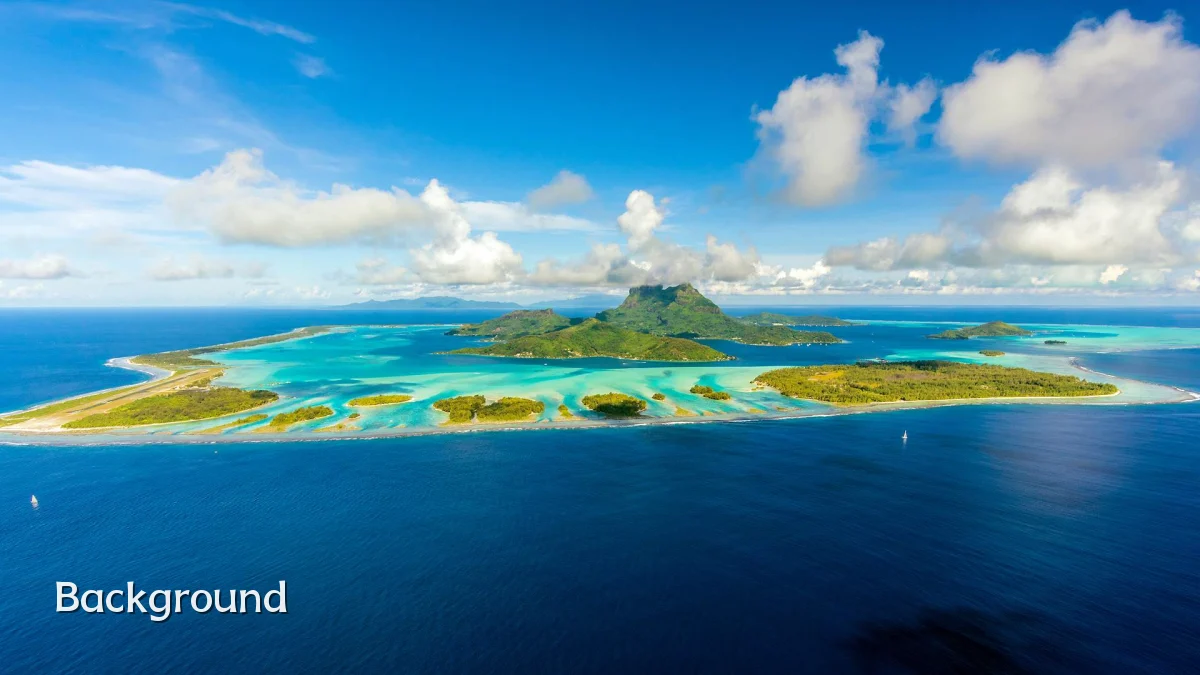
The idea of a dedicated photography travel itinerary emerged from traditional landscape photography workshops, which often centered on national parks in the American Southwest, Iceland’s ring road, or New Zealand’s South Island. Over time, independent enthusiasts began compiling self-guided routes using weather forecasts, moon phase calendars, and topographic maps. Classic itineraries remain popular, but contemporary planners now layer in permit requirements, leave-no-trace principles, and digital connectivity for real-time adjustments.
- Early models: fixed dates, group transport, instructor-led critique sessions.
- Shift to solo/small-group: travelers value autonomy to wait for perfect light.
- Integration with photo-editing reviews: evening check-ins to refine captures and plan next day’s angles.
User Concerns
Enthusiasts designing their own itineraries face several practical hurdles. Weather windows are unpredictable, and missing a sunrise at a paid-permit location can mean losing the shot for an entire season. Gear weight versus walk-in distance remains a trade-off, especially for multi-day backpacking segments. Additionally, navigating drone regulations and wildlife disturbance rules demands pre-trip research that many find daunting.
- Cost management: Peak-season fees at parks and premium lodging near viewpoints can inflate budgets; many plan shoulder-season visits.
- Permit deadlines: Permit windows for high-demand areas like The Wave (Arizona) open months ahead, requiring early application.
- Health & safety: Altitude, weather exposure, and remote emergency services affect itinerary pacing.
- Editing workflow: Carrying a laptop for on-the-road culling and backup adds weight and battery concerns.
Likely Impact
Well-crafted photography itineraries influence how enthusiasts allocate travel budgets and time. They encourage deeper engagement with specific regions, potentially reducing the carbon footprint of frequent short trips. Local economies benefit when photographers stay longer at shooting locations, dining and lodging locally. On the downside, popular photo spots face increased visitation pressure, prompting land managers to consider timed-entry systems or stricter off-trail restrictions. The itineraries themselves become a marketable product—photographers share detailed routes online, raising both awareness and crowding.
- Growth of location-specific insurance products covering gear and trip cancellation for weather-dependent shoots.
- Expansion of small-group hiking tours that include photography instruction and permit handling.
- Shift toward "conscious composition": itineraries that prioritize conservation messaging alongside capturing landscapes.
What to Watch Next
As technology and travel patterns evolve, photography itineraries will likely incorporate more dynamic data. Real-time cloud cover forecasts, crowd-sourced light reports, and AI-driven route optimization may become standard. Drone regulations continue to fragment—some countries ban consumer drones in scenic areas, while others create no-fly zones that impact aerial landscape compositions. Subscription gear models may expand to include satellite messengers for safety in remote terrain. Finally, the balance between sharing exact GPS coordinates or keeping hidden gems private remains a lively debate that will shape future itinerary development.
- Integration of citizen science projects: photographers contribute data on wildlife or erosion while shooting.
- Rise of "micro-itineraries": short, hyper-local routes for weekend warriors who own limited vacation time.
- Climate adaptation: itineraries adjusting to shifting bloom times, glacier retreat, and wildfire seasons.